
Textile industry

Achieve zld, operational costs, & meet stringent environmental norms

Sustainable water circularity for the textile industry

EcoProcess delivers "Sustainable Vacuum and Process Solutions for a Cleaner Industrial Future." With 99 years of engineering expertise, we empower textile manufacturers to reduce emissions, recover precious resources like water and solvents, and operate with unparalleled efficiency.

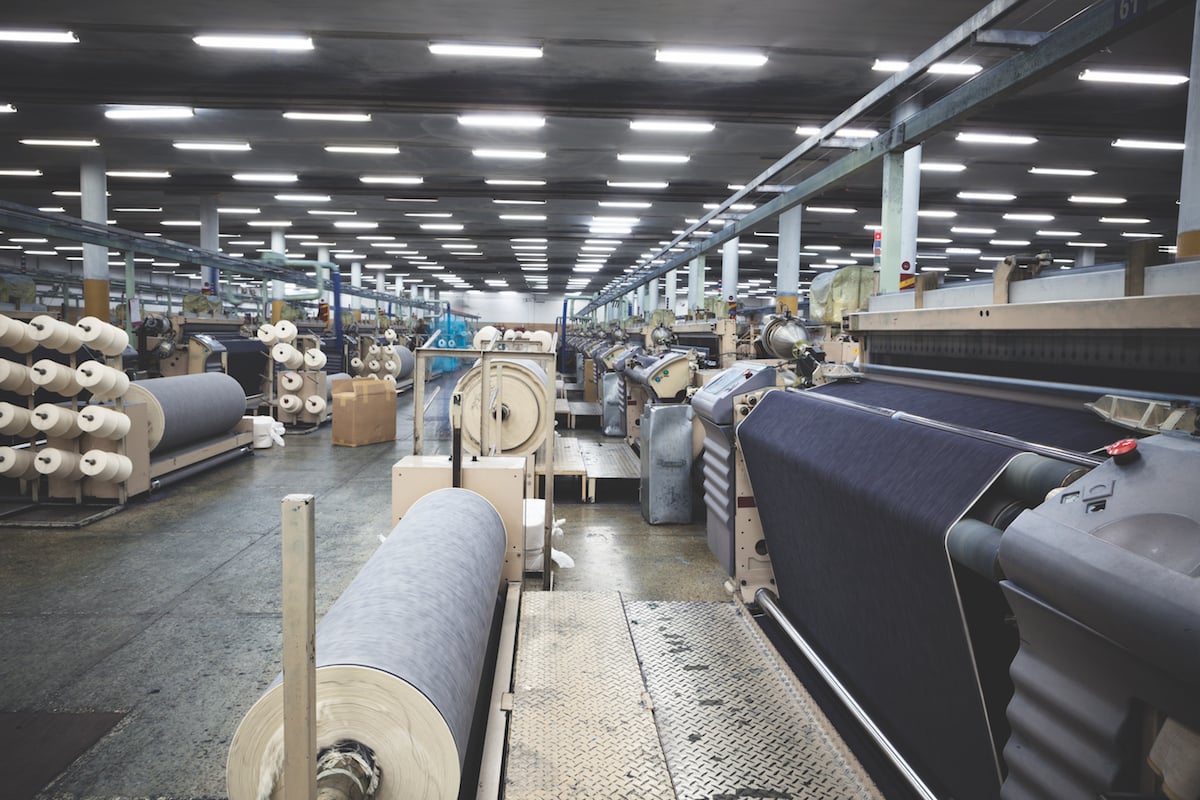
industry-textiles-hero
Pain Points We Solve

Navigating the Complex Challenges 

effluent treatment & water scarcity

Vast wastewater with dyes, chemicals, & salts requires treatment to meet strict discharge norms. 

dye & solvent recovery


Valuable resources lost in wastewater represent financial loss and environmental hazard. 

high energy consumption


Traditional treatment and drying processes are energy-intensive. 


process inconsistency


Fouling and scaling lead to frequent downtime.


Construction

Masonary Gallery

Lorem ipsum dolor sit amet, consectetur adipiscing elit, sed do eiusmod tempor incididunt ut labore et dolore magna aliqua.

Our Approach

EcoProcess Solutions

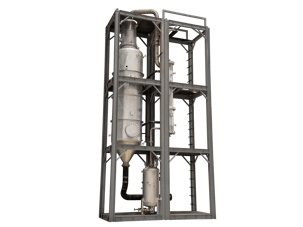
mee-hero

MEE - Effluent Concentrate

Increase TDS by up to  30%, and recover the majority of water for reuse.

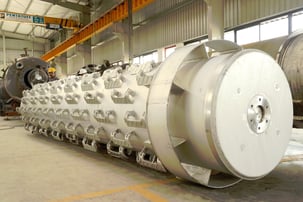
ATFD Rotor

ATFD - Drying & Recovery

Evaporate remaining water, produce dry solids, recover solvents via vapor outlet. 

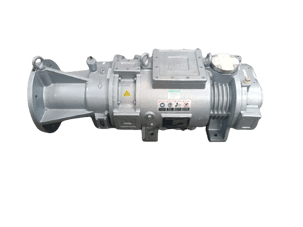
Dry_Screw_Vacuum_pump final

Vacuum Systems            

Dry Screw Pumps consume 30% less power for distillation and vapor recovery. 
Equipment

Products for Textile Industry

mee-hero

Multiple Effect Evaporators (MEE)

Energy-efficient, heat-driven systems for concentrating large wastewater volumes. Core component for ZLD.                           

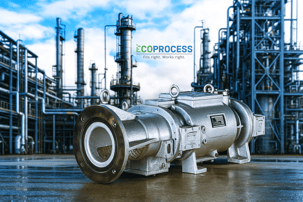
DSVP bl with logo

Vacuum & Blowers

  • DS Pumps: 30% less power, water-cooled, handles wet acid vapors
  • LB Packages: Twin/Trilobe - distillation, vapor recovery, aeration

ATFD Rotor

Agitated Thin Film Dryers (ATFD)

  • High Efficiency: 30% higher thermal efficiency than conventional dryers
  • Low Maintenance: Self-cleaning agitator prevents scale formation
  • Robust Design: Compact, modular, operates under vacuum or atmospheric pressure

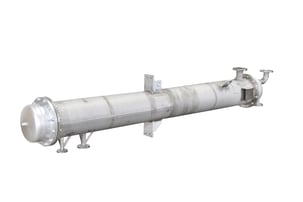
heat exchanger2

Heat Exchangers

  • Shell & Tube, Spiral, Corrugated Tube
  • Materials: SS, Hastelloy, Duplex Steel, Titanium
  • Spiral HE: 2-3x higher efficiency than Shell & Tube        


Regulatory Compliance

Meeting Textile Industry Standards

Local discharge norms

ISO 9001

ISO 14001

years

% Water Reuse

Almost 100% recycling (Gildan saved 113,000 m³) 

years

steam/energy

25-30% reduction (Gildan saved 9,023 tonnes steam - 22%) 

years

OPEX

Annual savings >₹30 lakhs, ROI 12-18 months 

years

downtime

40% decrease with ATFD self-cleaning design 

Case Study

Gildan global textile manufacturer


Challenge:

Reduce environmental footprint by reusing process water from scouring cycle. 


Solution:

EcoProcess smart treatment in Honduras facility (June 2023). 47% of production using system by year-end. 


Results:


Challenge:

A leading pharmaceutical company in Hyderabad needed to improve solvent recovery from their API drying process while meeting strict emission norms.


Solution:

Ecoprocess installed an integrated ATFD system with solvent recovery.


Results:


113,000 m³ 

Water Savings

3,600 kWh

Electricity Savings

9,023 tonnes 

Steam Savings (22% reduction)

Implemented

Now in Bangladesh facilities

industry-textiles-hero
Questions

Frequently Asked Questions

Which industries use ATFDs?

Pharmaceuticals, Chemicals, Textiles, Food & Beverage, Dyes

How does ATFD reduce effluent treatment costs?

Minimizes energy consumption, reduces sludge-handling, lowers maintenance with self-cleaning design. 

What is ROI?

Most plants recover investment within 12-18 months. 

How efficient are ATFDs?

Up to 30% higher thermal efficiency than conventional dryers. 

Ready to Achieve Zero Liquid Discharge?

Contact our experts for a complimentary ZLD-readiness assessment.